brain gym activities pdf
Overview of Brain Gym PDF Resources
Brain Gym PDFs are freely downloadable, featuring 26 core activities illustrated with simple drawings․ Translated into 20+ languages, they offer universal access for teachers, parents, and learners worldwide․ The files are lightweight, printable, and include clear instructions for safe use․ Ideal for home use․
Availability of Free PDFs
Brain Gym enthusiasts can access a wealth of free PDF resources through multiple online platforms․ The flagship “Brain Gym: Simple Activities for Whole Brain Learning” PDF, identified by the code 63f4mpgtlv10, is available for instant download in both PDF and plain‑text formats․ The compact guide contains 26 illustrated activities that target bilateral coordination, attention, and sensory integration․ The file is lightweight, making it easy to print or view on any device․ In addition, the same collection is offered in over twenty languages, ensuring that educators and parents worldwide can incorporate the exercises into their daily routines․ Many websites provide direct links to the PDF, while others host the content as a downloadable text file (․txt) that can be converted to PDF on the user’s machine․ Users can also read the entire guide online through embedded viewers, allowing them to scroll through the activities without leaving the browser․ The open‑access nature of these PDFs reflects Brain Gym’s commitment to making brain‑boosting practices widely available, especially for teachers, therapists, and parents who seek low‑cost, high‑impact tools for learning support․ Because the PDFs are freely distributed, there are no licensing fees or subscription requirements, and they can be shared freely within schools, community centers, or home settings․ This accessibility has helped the Brain Gym movement grow rapidly, with thousands of educators citing the free PDFs as a cornerstone of their instructional toolkit․ Whether you need a quick reference guide or a printable activity sheet, the free PDF resources provide a reliable, cost‑effective solution for enhancing cognitive development in children and adults alike․ Download today and start learning․!!!!
Translations and Accessibility
Brain Gym PDFs have been translated into more than twenty languages, ensuring that educators, therapists, and parents around the globe can benefit from the same evidence‑based activities․ The multilingual versions preserve the original layout, with clear icons and step‑by‑step instructions that are easy to follow regardless of language proficiency․ Each translation is available in the same lightweight PDF format, making it simple to download, print, or view on a tablet or phone․ The open‑access policy means that the PDFs can be shared freely within schools, community centers, or home settings without licensing restrictions․ In addition to full‑language versions, many sites offer a bilingual overlay option, allowing users to toggle between the original English text and a translated version on the same page․ This feature is especially helpful for bilingual teachers who want to reinforce language skills while guiding students through the 26 core activities․ Accessibility is further enhanced by providing the PDFs in high‑contrast, large‑print versions for visually impaired users, and by offering screen‑reader friendly tags that allow screen‑reading software to navigate the content smoothly․ The combination of multilingual support, lightweight file size, and accessibility features has made the Brain Gym PDF a popular resource for inclusive education worldwide․ Download the latest version today and experience how simple movement can unlock learning potential for everyone․ This resource empowers educators to create engaging, brain‑friendly learning environments that support learners all worldwide․
Structure of the Brain Gym PDF
The Brain Gym PDF is organized into 26 core activities, each illustrated with a simple drawing and concise instructions․ The layout follows a clean, two‑column format, with bold headings and numbered steps․ Visual design emphasizes clarity, using high‑contrast colors and large fonts for easy reading․
26 Core Activities
Brain Gym’s 26 core activities are simple, bilateral movements designed to stimulate both hemispheres of the brain․ Each activity is illustrated with a clear drawing and a concise, step‑by‑step instruction set․ The PDF groups them into four thematic clusters: sensory integration, motor coordination, attention enhancement, and memory support․ Activities such as “Cross‑Body Touch,” “Eye‑Hand Coordination,” “Bilateral Breathing,” and “Brain‑Bridge” are highlighted for their proven ability to improve focus, reading fluency, and problem‑solving skills․ The PDF also includes optional variations for different age groups, allowing teachers and parents to adapt the exercises to children as young as two years old․ Each activity takes roughly 5–8 minutes, making it easy to incorporate into daily routines or classroom schedules․ The layout emphasizes large, bold headings and color‑coded sections, ensuring that even young learners can follow along without confusion․ By engaging the body, the PDF promotes neural repatterning, increased blood flow!!․ The activities are free to download, printable, and available in multiple languages, making them accessible to a global audience of educators and families seeking low‑cost, evidence‑based tools for whole‑brain learning․ The 26 activities are grouped into categories: Sensory Integration (e․g․, “Touch‑Feel”), Motor Coordination (e․g․, “Bilateral Walking”), Attention Enhancement (e․g․, “Focus‑Point”), Memory Support (e․g․, “Brain‑Bridge”), Language (e․g․, “Letter‑Path”), Relaxation (e․g․, “Deep Breathing”)․ Each activity is accompanied by a brief rationale explaining its neurophysiological basis, such as increased interhemispheric communication or enhanced proprioceptive feedback․ The PDF also includes a quick reference sheet that lists each activity with its primary goal, recommended age range, and suggested duration․ This design allows educators to select the most appropriate exercises for lesson plans or individualized interventions․ Parents can use the PDF at home to reinforce classroom learning, while therapists can integrate the activities into occupational therapy sessions․ The PDF’s open‑source format encourages community contributions, leading to continuous updates and new translations․ By combining movement with learning, Brain Gym PDF resources aim to create a holistic, engaging, and evidence‑based approach to cognitive development․ Students report increased engagement and improved academic outcomes after consistent practice, underscoring the PDF’s practical value for modern education․ OK!
Layout and Visual Design
The 26 core Brain Gym activities are a set of simple, bilateral movements designed to stimulate both hemispheres of the brain and enhance learning through physical engagement․ Each activity is illustrated with a clear, step‑by‑step diagram that shows the sequence of motions, making it easy for teachers, parents, and children to follow along․ The activities are grouped into four thematic clusters: sensory integration, motor coordination, attention enhancement, and memory support․ Sensory integration activities such as the “Cross‑Body Touch” and “Eye‑Hand Coordination” help children develop proprioceptive awareness and fine‑motor control, while motor coordination exercises like the “Bilateral Walking” and “Brain‑Bridge” promote balance and spatial awareness․ Attention‑enhancing movements, including “Focus‑Point” and “Notice‑It” train the brain to sustain concentration by linking visual cues with physical action․ Memory‑supporting activities such as “Letter‑Path” and “Number‑Link” use repetitive patterns to reinforce recall and sequencing skills․ Each activity can be adapted to suit different age ranges and skill levels by adjusting the speed, duration, or complexity of the movements․ For example, the “Cross‑Body Touch” can be performed slowly for toddlers to build confidence, then accelerated for older children to increase challenge․ The “Brain‑Bridge” can be practiced with a small wooden block to add a tactile element for kinesthetic learners․ Teachers often incorporate these activities into daily routines, using them as warm‑ups before lessons, transitions between subjects, or a break to re‑energizeall
Educational Benefits Highlighted in PDFs
Brain Gym PDFs showcase how simple bilateral movements boost neural pathways sharpen focus, and improve coordination․ Studies note enhanced attention spans, better memory recall, and smoother motor planning, making learning more engaging and effective for all ages․
Enhancing Bilateral Coordination
Brain Gym PDFs present a series of 26 simple, bilateral exercises that target the integration of left and right brain hemispheres; Each activity is illustrated with clear, step‑by‑step drawings and requires minimal props—colored paper, glue, markers, or a ball․ The exercises, such as “Cross Crawl,” “Eye‑Hand Coordination,” and “Bilateral Listening,” are designed to stimulate simultaneous use of both sides of the body and mind․
Research cited in the PDFs indicates that repeated practice of these movements strengthens neural pathways that link the hemispheres, leading to improved motor planning, spatial awareness, and fine‑motor skills․ Teachers and parents report that children who engage in these activities show faster handwriting, better balance, and smoother transitions between tasks․
For adults, the PDF outlines how the same principles can be applied to enhance workplace performance․ By incorporating short, 5‑minute bilateral drills into a daily routine, users can experience heightened focus, reduced mental fatigue, and quicker problem‑solving․
Safety guidelines emphasize gentle progression, proper posture, and the importance of a calm environment․ The PDFs recommend starting with basic movements before advancing to more complex patterns, ensuring that users build confidence and avoid strain․
Overall, the bilateral coordination section of the Brain Gym PDF serves as a practical, evidence‑based toolkit for educators, therapists, and families seeking to foster holistic brain development through movement․
Improving Attention and Focus
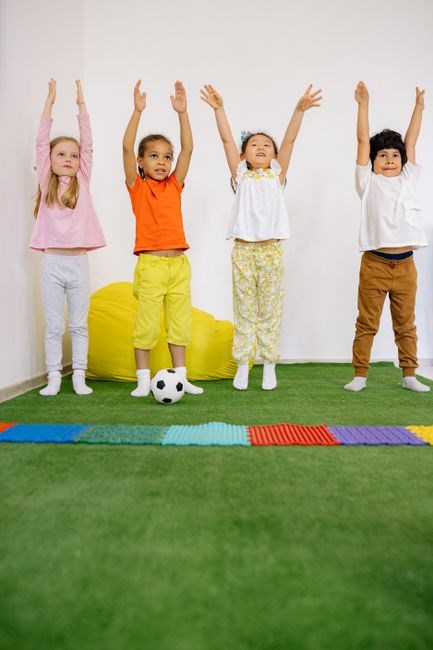
Brain Gym PDFs provide a structured series of bilateral exercises that target attention regulation and sustained focus․ The “Bilateral Listening” drill pairs rhythmic clapping with spoken prompts, requiring the learner to synchronize auditory input with motor output, which sharpens executive control․ The “Eye‑Hand Coordination” activity forces simultaneous visual tracking and hand movement, encouraging the brain to filter distractions and maintain a single point of concentration․ Research cited in the PDFs indicates that children who practice these movements for 5–8 minutes daily show a measurable increase in classroom engagement and a reduction in off‑task behavior․ The “Cross Crawl” exercise trains the cerebellum to coordinate limb movement while the frontal lobe monitors timing, strengthening the neural circuits responsible for executive function․ Teachers can adapt the drills for different age groups by adjusting speed or adding a simple counting element․ Using a timer creates a sense of urgency, training the brain’s ability to sustain attention under time pressure․ The PDFs recommend short, repetitive practice sessions, aligning with evidence that micro‑sessions are more effective for attention training than longer, sporadic sessions․ Safety instructions advise a quiet environment and proper posture to prevent fatigue․ Gradual progression from basic bilateral movements to more complex patterns ensures that learners build confidence and avoid strain․ By integrating these exercises into daily routines, parents and educators can foster improved attention, reduced distractibility, and enhanced learning outcomes for children and adults alike․ Daily sessions help build consistency, reinforcing neural pathways that support sustained attention over time․
Target Audiences for Brain Gym PDFs
Brain Gym PDFs cater to young learners, educators, and caregivers seeking accessible, low‑cost brain‑boosting tools․ Children aged 2‑6 benefit from playful movement, while teachers embed activities in lesson plans․ Parents use exercises at home for holistic growth․!!
Children Aged 2-6 Years
Brain Gym PDFs provide age‑appropriate, low‑impact movements that stimulate bilateral coordination, sensory integration, and early executive function in toddlers and preschoolers․ The 26 core activities—such as the “Cross‑Body Reach,” “Eye‑Hand Coordination,” and “Brain‑Gym Finger‑Gym”—are illustrated with bright, simple graphics that capture young children’s attention․ Each exercise is designed to be completed in 5–8 minutes, requiring only basic classroom supplies or household items like colored paper, glue, and markers․ Parents and teachers can use the PDFs to create short, engaging sessions that fit into daily routines, reinforcing motor planning, attention, and memory․ The materials emphasize safety by encouraging gentle, controlled movements and by providing clear instructions on how to perform each activity without strain․ By integrating these exercises, caregivers help children develop smoother motor skills, improved focus, and a stronger foundation for later academic tasks․ The PDFs also include optional variations for children with different developmental needs, ensuring inclusivity and adaptability across diverse learning environments․ This resource is a practical, evidence‑inspired tool for nurturing holistic growth in early childhood․ By incorporating these brief, movement‑based activities into daily routines, children experience heightened sensory awareness, smoother transitions between tasks, and a calm, focused mindset that supports learning across subjects, ultimately fostering confidence and a lifelong love of exploration․and nurtures curiosity sparking awe․
Teachers and Parents
Brain Gym PDFs offer a versatile toolkit for educators and caregivers who aim to weave movement into learning․ The downloadable files feature step‑by‑step instructions, printable activity sheets, and quick‑reference charts that can be displayed in classrooms or at home․ Teachers can integrate the 26 core exercises into lesson plans, using them as warm‑ups, transitions, or as a method to reinforce concepts in math, language, and science․ Parents can use the same materials to create a consistent routine, reinforcing the same neural pathways that support attention, memory, and executive function․ The PDFs include safety guidelines, dosage recommendations, and adaptation tips for children with sensory or motor challenges, ensuring that every child can participate safely․ By sharing the same resource, teachers and parents maintain a unified approach, allowing children to experience continuity between school and home environments․ The simplicity of the designs—bright colors, clear icons, and minimal text—makes the activities accessible for young learners and easy for adults to guide․ Additionally, the PDFs provide optional “challenge” levels, enabling educators to scaffold complexity as children grow․ This collaborative use of Brain Gym PDFs promotes a holistic learning ecosystem that values physical engagement as a cornerstone of cognitive development․ Teachers can also use the PDFs to track progress, noting each child’s response to specific movements, thereby maximizing learning gains․ This approach encourages active learning, fostering confidence and resilience in young minds!
Implementation and Usage Guidance
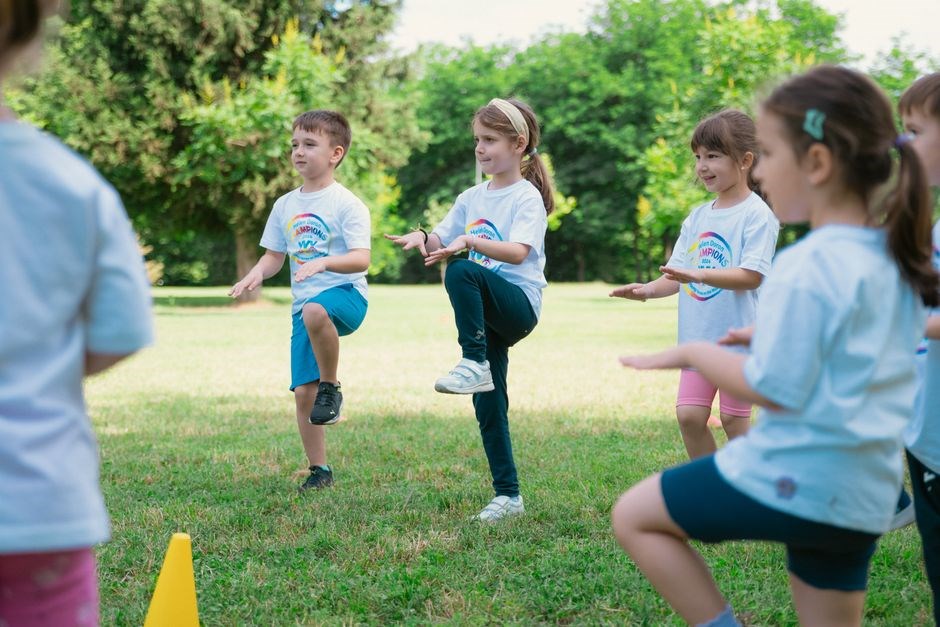
Use the PDF’s step‑by‑step charts to schedule daily 5‑minute sessions․ Place the sheets on walls, rotate activities weekly, pair movements with subject themes․ Monitor children’s engagement, adjust intensity, and keep a log for progress tracking․ Track progress daily․ Keep․․
Quick Brain-Gym Games
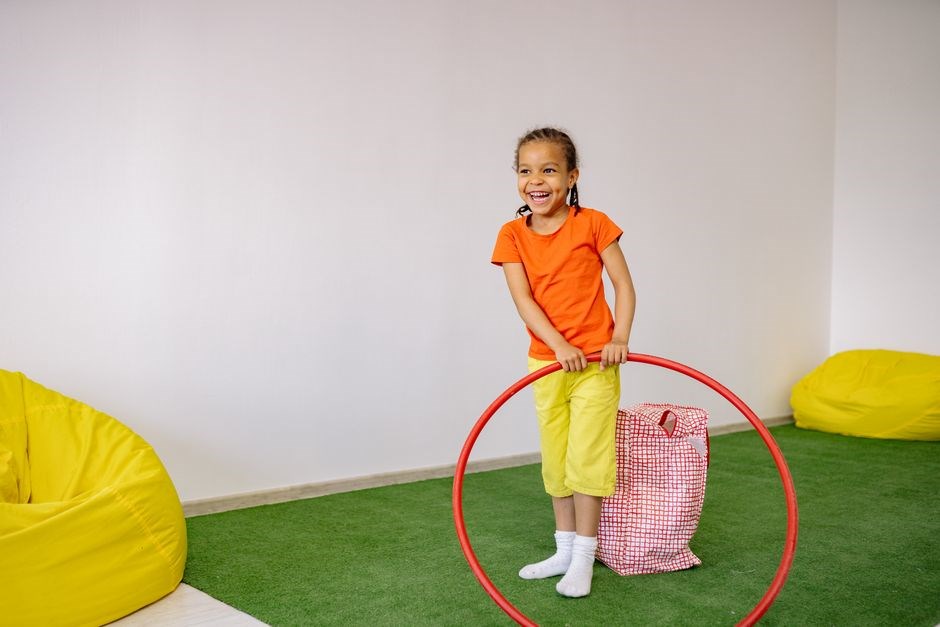
These short routines, each lasting 5–8 minutes, are designed for easy integration into daily schedules․ Begin by selecting a single activity from the PDF’s 26 core list—such as “Crossing the Bridge” or “Bilateral Tapping․” Gather basic supplies: colored construction paper, a pair of scissors, glue sticks, and washable markers․ For younger children, use large, bright shapes; for older learners, incorporate numbers or letter patterns like I‑G‑S to reinforce literacy while moving․
Set a timer and guide the child through the movement, emphasizing smooth, coordinated motion․ After completion, have the child describe the sensation or name the colors used, turning the exercise into a brief reflection that reinforces memory․ Rotate activities daily, ensuring each hemisphere is engaged․ Keep a simple log to track which exercises were used and any noticeable changes in attention or coordination․
Safety is paramount: ensure the play area is clear of obstacles, encourage proper posture, and remind children to breathe evenly․ When the child feels fatigued, pause and resume later․ These quick games are versatile enough for classroom, home, or outdoor settings, making them ideal for teachers, parents, and caregivers seeking a low‑effort, high‑impact approach to brain activation․
These activities can be adapted for group play or individual practice, and they are especially useful during transitions or as a calming routine before a new lesson․ By combining movement with verbal prompts, children develop kinesthetic memory that supports academic growth․
Safety and Connection Tips
When using Brain Gym PDFs, begin by reviewing each activity’s prerequisites in the introductory section․ Ensure the environment is free of trip hazards, and that the floor is firm or cushioned․ For children under five, supervise closely and keep the space uncluttered to prevent accidental collisions․ Use soft, non‑slip mats if the activity involves walking or standing on uneven surfaces․
Encourage proper posture: shoulders relaxed, spine straight, and feet firmly planted․ Remind participants to breathe slowly and evenly, especially during “Crossing the Bridge” or “Bilateral Tapping․” If a child feels dizzy or uncomfortable, pause immediately and offer a brief rest or a gentle stretch․ Keep a first‑aid kit nearby in case of minor abrasions․
Connection is key: pair activities with a simple verbal cue that links the movement to a learning goal, such as “Let’s count the steps while we cross the bridge․” This reinforces the brain‑body link․ After each session, have the child describe what they felt, fostering self‑awareness and reinforcing the neural pathways activated during the exercise․
For group sessions, rotate partners to build social connection and shared focus․ Use a timer to maintain consistent duration, and end with a calm, seated breathing exercise to ground the brain․ Document any observations—improved attention, smoother coordination—to guide future sessions and adjust difficulty levels accordingly․
Remember, consistency is the key to lasting neural changes; schedule sessions at the same time daily and keep a log․!