
singer curvy instruction manual
Singer Curvy Instruction Manual: An Overview
This manual delves into techniques for vocal power, agility, and health, offering exercises like the Vocal Resilience Cylinder and register blending drills․
It emphasizes diaphragmatic breathing, posture alignment, and resonance for optimal singing, addressing fatigue and performance anxiety with practical strategies․
Furthermore, it explores belting, vibrato control, and the importance of hydration, diet, and warm-up routines for sustained vocal excellence․
Understanding the “Curvy” Voice
The term “curvy” in vocal instruction doesn’t refer to body shape, but rather to the dynamic range and expressive potential within a singer’s voice․ It acknowledges that a truly captivating vocal performance isn’t about hitting every note perfectly, but about navigating the nuances and emotional depth inherent in each phrase․

This approach encourages singers to embrace their unique vocal qualities, exploring the subtle shifts in tone, texture, and dynamics that create a compelling and individualized sound․ It’s about finding the “sweet spots” within your range, and learning to move fluidly between them, much like a curve gracefully winds along a path․
Developing a “curvy” voice involves understanding how to manipulate resonance, breath control, and articulation to convey emotion and tell a story․ It’s a journey of self-discovery, where singers learn to unlock the full expressive power of their instrument, moving beyond technical proficiency to genuine artistry․
The Importance of Vocal Health for All Singers
Your voice is intrinsically linked to your overall well-being; treating it as such is paramount for any singer, regardless of experience level․ Vocal health isn’t merely about avoiding strain, but proactively nurturing the instrument through consistent, mindful practices․ Hydration plays a crucial role, as adequately moisturized vocal folds function optimally, preventing fatigue and damage․
Diet significantly impacts vocal quality – avoiding excessive caffeine, alcohol, and dairy can minimize irritation and mucus buildup․ Equally vital are proper warm-up and cool-down routines, preparing the vocal cords for exertion and aiding recovery afterward․ Ignoring these aspects invites vocal fatigue, hoarseness, and potentially long-term damage․
Prioritizing vocal rest, especially after demanding performances, allows the vocal mechanism to repair and rejuvenate․ Recognizing early signs of strain and addressing them promptly prevents minor issues from escalating into serious problems․ A healthy voice is a sustainable voice․

Vocal Technique Fundamentals
Mastering diaphragmatic breathing, posture, and resonance are foundational; these elements unlock vocal power and control, forming the bedrock of effective singing technique․
Diaphragmatic Breathing for Singers
Diaphragmatic breathing, often called “belly breathing,” is the cornerstone of efficient vocal production․ Unlike shallow chest breathing, it utilizes the diaphragm – a large muscle beneath the lungs – to draw air deeply into the lungs, maximizing capacity and control․
To practice, place one hand on your chest and the other on your abdomen․ Inhale slowly through your nose, focusing on expanding your belly while keeping your chest relatively still․ Exhale slowly, feeling your abdomen contract․ This technique supports consistent airflow, crucial for sustained notes and dynamic control․
Consistent practice strengthens the diaphragm, improving breath support and reducing tension in the neck and shoulders․ A well-supported breath translates to a more resonant, powerful, and controlled vocal delivery, essential for singers of all levels․ It’s the foundation upon which all other vocal techniques are built․
Posture and Alignment for Optimal Singing
Optimal singing relies heavily on proper posture and alignment․ Imagine a string pulling you upwards from the crown of your head, creating a lengthened spine․ Shoulders should be relaxed and down, not hunched or tense․ Avoid locking your knees; maintain a slight bend for flexibility and balance․
Good alignment allows for unrestricted airflow and efficient diaphragmatic breathing․ A balanced posture prevents unnecessary tension in the neck, shoulders, and jaw, which can negatively impact vocal quality; Feet should be shoulder-width apart, providing a stable base of support․

Regularly check your posture during practice and performance․ Visualize your body as a free-flowing instrument, allowing sound to resonate naturally․ Correct alignment isn’t rigid; it’s about finding a comfortable, balanced position that supports your vocal technique and overall well-being․
Resonance and Vocal Placement
Resonance is the amplification and modification of sound within the vocal tract – your throat, mouth, and nasal cavities․ Effective vocal placement isn’t about where you feel the vibration, but rather the quality of sound produced․ Aim for a balanced resonance, avoiding a nasal or overly chesty tone․
Experiment with vowel shapes and mouth openings to discover how they affect resonance․ Imagine directing your sound forward, towards your “mask” – the area around your nose and cheekbones․ This encourages brighter, more projected tones․
Understanding resonance allows for greater vocal control and projection without straining․ Different vocal registers utilize different resonant spaces; blending these spaces creates a fuller, richer sound․ Consistent practice and mindful listening are key to developing optimal resonance and vocal placement․

Core Training for Vocal Power
Strengthening your core—through exercises like the Vocal Resilience Cylinder and targeted workouts—provides essential support for consistent breath control and vocal stability․
The Vocal Resilience Cylinder Exercise
Imagine a supportive cylinder encompassing your torso – this is the foundation of the Vocal Resilience Cylinder exercise․ Begin by standing with feet shoulder-width apart, knees slightly bent, and shoulders relaxed․ Inhale deeply, visualizing your diaphragm expanding outwards in all directions, filling this imaginary cylinder with air․
As you exhale, gently engage your abdominal muscles, maintaining that cylindrical shape and controlling the airflow․ Avoid collapsing your chest or tightening your throat․ Think of a slow, controlled release, like a gentle squeeze․ Repeat this process several times, focusing on maintaining consistent support throughout each breath․
This exercise builds core strength, improves breath control, and enhances vocal stability, crucial for powerful and sustained singing․ It’s about creating a firm, yet flexible, foundation for your voice, allowing for greater resonance and projection․ Consistent practice will yield noticeable improvements in vocal endurance and overall performance․

Core Workouts Specifically for Singers
Beyond the Vocal Resilience Cylinder, targeted core workouts are vital for singers; Planks, both standard and side planks, build isometric strength, supporting consistent airflow․ Bird-dogs enhance stability and coordination, preventing unwanted movement during performance․ Russian twists, performed with or without weight, engage obliques for rotational control․
Pilates exercises, like the “hundred” and roll-ups, are exceptionally beneficial, focusing on deep core engagement and spinal alignment․ Remember, the goal isn’t bulk, but endurance and control․ Incorporate these exercises 2-3 times weekly, focusing on proper form over repetitions․
A strong core provides a stable foundation for diaphragmatic breathing, improving vocal power, resonance, and stamina․ Prioritize exercises that promote functional strength, translating directly to improved singing technique and preventing vocal fatigue․

Vocal Agility and Range Expansion
This section focuses on duet exercises to improve vocal agility and techniques for seamlessly blending vocal registers, expanding your overall range effectively․
Vocal Agility Duet Exercises
Duet exercises are incredibly beneficial for developing vocal agility, as they demand precise timing and responsiveness from both singers․ These aren’t simply about matching notes; they’re about actively listening and reacting to a partner’s vocal nuances, fostering a heightened sense of musical interplay․
Cheryl Porter, a renowned vocal coach, champions this approach, utilizing duet exercises to enhance vocal technique and improve register blending․ These exercises often involve rapid-fire melodic exchanges, challenging singers to navigate scales and arpeggios with speed and accuracy․
Begin with simple call-and-response patterns, gradually increasing the complexity as your coordination improves․ Focus on maintaining consistent breath support and clear articulation throughout the exercise․ Remember, the goal isn’t just to hit the notes, but to do so with fluidity and musicality, building a strong foundation for more advanced vocal maneuvers․
Register Blending Techniques
Seamless register blending is crucial for a smooth, connected vocal line, eliminating noticeable breaks between chest, mixed, and head voice; This isn’t about masking the registers, but about creating a unified sound across your entire range․ It requires careful attention to breath support, vowel modification, and vocal placement․
Exercises often involve gliding between registers on sustained vowels, focusing on maintaining consistent resonance and avoiding abrupt shifts in vocal quality․ Imagine a smooth, continuous curve rather than distinct steps․ Vocal agility duet exercises, as championed by coaches like Cheryl Porter, also contribute to improved register blending․
Experiment with subtle adjustments to your larynx position and airflow to find the optimal blend․ Patience and consistent practice are key; achieving a truly blended sound takes time and dedicated effort, unlocking vocal freedom and expressive potential․
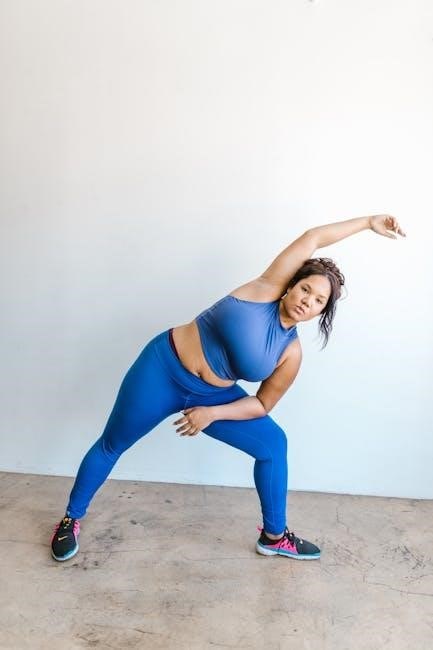
Maintaining Vocal Health
Prioritize hydration, a balanced diet, and consistent warm-up/cool-down routines to safeguard your voice, preventing fatigue and maximizing long-term vocal resilience․
Hydration and Diet for Singers
Optimal vocal health fundamentally relies on consistent hydration and a nourishing diet․ Water is your primary tool; aim for room temperature water throughout the day, avoiding sugary or caffeinated drinks which can dehydrate the vocal folds․ Think of your vocal cords needing constant lubrication for flexible, resonant sound production․
Dietarily, focus on foods that reduce inflammation and support overall well-being․ Incorporate fruits and vegetables rich in antioxidants, lean proteins for tissue repair, and healthy fats for vocal cord lubrication․ Avoid dairy products before performances, as they can increase mucus production․ Steaming can also help to hydrate the vocal cords․
Consider foods like honey and ginger, known for their soothing properties․ A balanced nutritional intake directly impacts vocal stamina and clarity, enabling consistent performance quality and preventing strain․ Remember, your voice is an instrument, and proper fuel is essential!
Vocal Warm-up and Cool-down Routines
Prioritizing vocal warm-ups is crucial before any singing session, akin to an athlete stretching before exercise․ Begin with gentle humming, lip trills, and tongue rolls to increase blood flow and flexibility in the vocal cords․ Gradually expand your range with scales and arpeggios, focusing on smooth transitions and consistent breath support․
Warm-ups prepare your vocal mechanism for the demands of singing, preventing strain and maximizing performance potential․ Equally important are cool-down routines․ After singing, gently descend through scales and incorporate soft humming to relax the vocal folds․
Cool-downs help to prevent vocal fatigue and promote recovery․ Incorporate gentle neck stretches and deep breathing exercises․ Consistent warm-up and cool-down routines are non-negotiable for maintaining vocal health and longevity, ensuring a sustainable and enjoyable singing journey․

Addressing Common Vocal Challenges
This section tackles vocal fatigue and stage fright, offering strategies for resilience and performance confidence, ensuring singers overcome hurdles effectively․
Dealing with Vocal Fatigue
Vocal fatigue is a common issue for singers, stemming from overuse, improper technique, or insufficient recovery․ Recognizing early signs – hoarseness, loss of range, or increased effort – is crucial․ Prioritize rest; vocal cords, like any muscle, need time to heal․
Hydration is paramount; water keeps the vocal folds lubricated, reducing friction․ Avoid excessive caffeine and alcohol, which can dehydrate․ Implement regular vocal warm-ups and cool-downs to prepare and recover the voice․
Technique plays a significant role․ Ensure proper diaphragmatic breathing and avoid straining for high notes․ Consider incorporating vocal rest days into your schedule, and consult a vocal coach to identify and correct any technical flaws contributing to fatigue; Listen to your body and prioritize vocal health above all else․
Overcoming Stage Fright and Performance Anxiety
Performance anxiety is a natural response, but it can significantly impact vocal delivery․ Acknowledge your fear; suppressing it often intensifies it․ Practice deep, controlled breathing exercises to calm your nervous system before performing․ Visualization techniques – mentally rehearsing a successful performance – can build confidence․
Focus on connecting with the music and the audience, shifting attention away from self-criticism․ Remember your preparation; you’ve put in the work․ Embrace imperfections; a flawless performance isn’t the goal, authenticity is․
Consider pre-performance routines, like gentle stretching or vocal warm-ups, to ground yourself․ If anxiety is debilitating, explore techniques like mindfulness or seek guidance from a therapist specializing in performance anxiety․

Advanced Vocal Techniques
Mastering belting, mixed voice, and vibrato control unlocks expressive potential․ These techniques demand refined breath support, resonance, and precise vocal cord coordination․
Belting and Mixed Voice
Belting, a powerful vocal technique, requires a balance of chest and head voice resonance, creating a bright and forward sound, often used in contemporary styles․ However, improper belting can lead to vocal strain, emphasizing the need for careful training and support․
Mixed voice offers a smoother transition between registers, blending the qualities of chest and head voice for a more versatile and controlled sound․ It’s crucial for navigating a wider range without noticeable breaks or shifts in tone․
Developing both techniques involves strengthening core muscles for consistent breath support, refining vocal placement for optimal resonance, and mastering precise vocal cord closure․ A skilled vocal coach can guide singers through these complexities, ensuring healthy and sustainable technique․ Prioritizing vocal health is paramount when exploring these advanced methods․
Vibrato Control and Development
Vibrato, the subtle, natural oscillation of pitch, adds warmth and expressiveness to a singer’s tone․ It’s not something to force, but rather to unlock through proper technique and relaxed vocal production․ A healthy vibrato stems from consistent breath support and a balanced vocal mechanism․
Developing vibrato involves exercises focusing on breath control, vocal cord adduction, and releasing tension in the jaw and throat․ Singers should avoid consciously “wobbling” the voice, as this can create an artificial and uncontrolled effect․
Control comes from understanding the underlying mechanics and allowing the vibrato to emerge naturally․ Some singers may benefit from exercises that encourage a gentle pulse, while others may need to focus on releasing tension to allow their natural vibrato to shine․ Patience and consistent practice are key․