
guitar value guide
This guide demystifies guitar valuation, offering clear insights for buyers, sellers, and enthusiasts․ It explains how craftsmanship, materials, and condition shape worth, and provides practical advice to navigate market trends and make informed decisions; Readers value assessment today!
Purpose of the Guide
Understanding the true value of a guitar requires more than a quick glance at price tags․ This guide is designed to equip you with the knowledge to evaluate instruments accurately, whether you’re a seasoned collector, a first‑time buyer, or a seller looking to maximize return․ By dissecting the core elements that influence market worth—such as construction quality, material provenance, playability, and historical significance—you’ll gain a holistic perspective that transcends surface aesthetics․ We’ll walk through the nuances of brand reputation, model lineage, and the impact of limited editions, while also addressing the role of condition, age, and provenance in shaping price trajectories․ The guide offers actionable strategies for negotiating deals, spotting red flags in used listings, and identifying opportunities in emerging market segments․ Additionally, we’ll explore how external factors like economic shifts, technological advancements, and cultural trends can ripple through the guitar market, affecting both new and pre‑owned inventories․ By combining these insights, buyers and sellers can navigate the complex guitar market with confidence, ensuring fair deals that reflect true instrument value․ Moreover, the guide delves into the importance of provenance documentation and the impact of restoration work on resale value․ By integrating case studies of recent sales, readers will see real‑world examples of how subtle differences in finish, fretwork, and hardware can sway valuations by thousands of dollars․ Finally, the guide stresses the value of building relationships with dealers and musicians, as networking often uncovers gems and offers discounts that are not listed․ Additionally, the guide examines how market cycles influence pricing, highlighting periods when demand for certain models spikes due to cultural trends or technological breakthroughs․ It offers practical tips for timing purchases, such as waiting for seasonal sales or capitalizing on new model releases that can depress older stock prices․ For sellers, the guide advises on staging instruments, documenting provenance, and leveraging online marketplaces to reach a wider audience․ It also discusses the importance of transparent communication, fair pricing strategies, and the benefits of professional appraisals for high‑value pieces․ Finally, the guide underscores the role of recommendations in shaping resale trends, as they often drive secondary market dynamics․ It also highlights the importance of inspecting hardware, checking for cracks or warping, and verifying serial numbers before finalizing a transaction․ By combining these insights, buyers and sellers can navigate the guitar market, ensuring fair deals that reflect instrument value!
This guide is crafted for a diverse group of guitar enthusiasts, ranging from novice hobbyists to seasoned collectors, as well as musicians, dealers, and investors who seek a deeper understanding of market dynamics․ The content is tailored to accommodate varying levels of technical knowledge, ensuring that even readers with limited background in instrument appraisal can grasp key concepts․ For beginners, the guide offers clear explanations of fundamental terms, such as build quality, tonewoods, and serial number significance, while also providing practical tips for evaluating condition! Intermediate readers will find detailed analyses of brand reputation, model variations, and the impact of limited editions, allowing them to refine their purchasing strategy! Advanced users will benefit from in‑depth discussions on provenance, restoration impact, and case studies that illustrate how subtle differences in craftsmanship can influence resale value! Additionally, the guide serves as a resource for educators and students in music technology programs, offering a structured framework for teaching instrument valuation and market analysis! Finally, investors and collectors looking to diversify portfolios will find actionable insights into asset appreciation, risk assessment, and the identification of undervalued gems! By addressing the needs of each subgroup, the guide ensures that every reader can extract relevant, actionable information that aligns with their specific goals and expertise level!
Factors Affecting Guitar Value
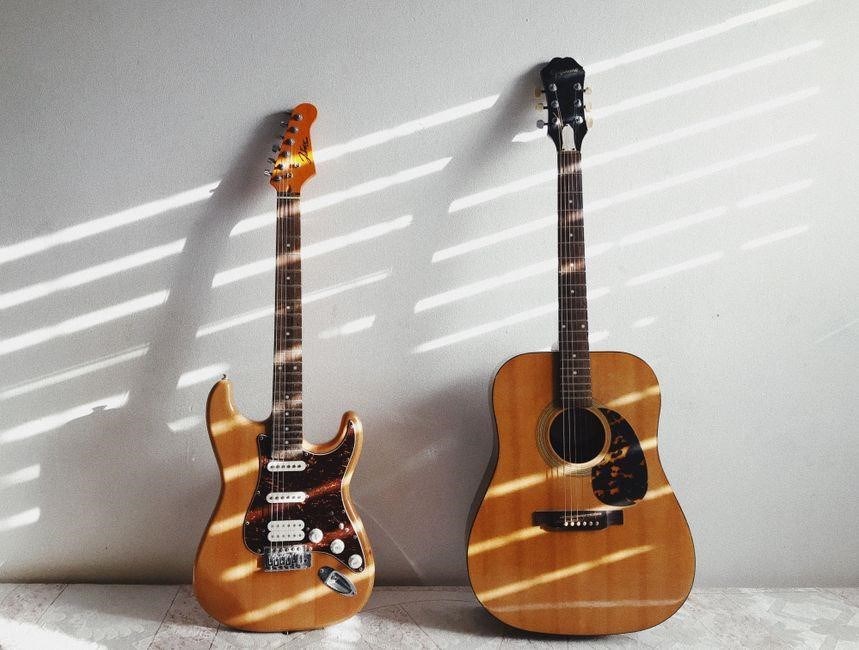
Key factors include craftsmanship, tonewood quality, hardware precision, finish integrity, and serial authenticity․ Age, play history, and cosmetic wear also shape value․ Limited editions, provenance, and brand prestige further influence market demand and resale potential․ Rarity adds value․!!
Build Quality and Materials

The foundation of a guitar’s value lies in its construction and the materials chosen by the luthier․ Tonewoods—such as spruce tops, mahogany back and sides, or exotic maple—provide resonance, sustain, and tonal richness that collectors prize․ The grain pattern, density, and age of the wood influence not only sound but also visual appeal; a well‑seasoned board with a clear grain can command a premium․
Beyond wood, the precision of the neck joint, the quality of the bracing pattern, and the craftsmanship of the body contours affect playability and durability․ A neck that sits true, with a smooth fretboard and accurate scale length, reduces the risk of fret buzz and enhances comfort․
Hardware selection is equally critical․ Tuners, locking bridges, and high‑grade pickups or pickups with a proven track record add functional value․ Gold‑plated components resist corrosion, preserving tone over time․
Finish integrity—whether a satin lacquer, a glossy nitrocellulose, or a protective polyurethane—protects wood and showcases its grain․ A flawless finish free of bubbles, cracks, or peeling demonstrates meticulous attention to detail․
Finally, the builder’s reputation and the instrument’s provenance—whether it’s a limited‑run model, a signature series, or a hand‑crafted prototype—can amplify desirability․ Collectors often seek instruments with documented history, serial numbers, and manufacturer certificates, as these authenticate the guitar’s lineage and guarantee quality․
In sum, build quality and materials are the core determinants of a guitar’s market value, influencing both its sonic character and its long‑term investment potential․
Condition and Age
A guitar’s age and physical state are pivotal in determining its market value․ Vintage instruments often carry a premium if they retain original components, but they can also suffer from age‑related issues such as cracked necks, warped bodies, or degraded finishes․ Inspecting the fretboard for wear, checking the fretboard for dead frets, and ensuring the action is within playable ranges are essential steps․ Minor cosmetic blemishes—scratch marks, small dents, or faded paint—can be mitigated with professional restoration, yet they still influence resale price․ The condition of hardware is equally significant; rust‑free tuners, a stable bridge, and intact pickups signal proper maintenance․ A guitar that has been regularly serviced—string changes, truss rod adjustments, and cleanings—tends to fetch a higher price than one that has been neglected․ Age also affects desirability: a well‑maintained 20‑year‑old model may be more valuable than a newer instrument that has seen heavy use․ Collectors often seek pieces with a documented history, including ownership records, repair logs, and notable provenance․ These details can justify a higher asking price․ Ultimately, buyers must weigh the guitar’s age against its condition; a pristine instrument, regardless of age, can be more valuable, while a newer guitar with significant wear may be undervalued․ Thorough inspection and honest appraisal are key to accurate valuation․ Buyers should evaluate the instrument’s resale value US․
New vs․ Used Guitar Pricing
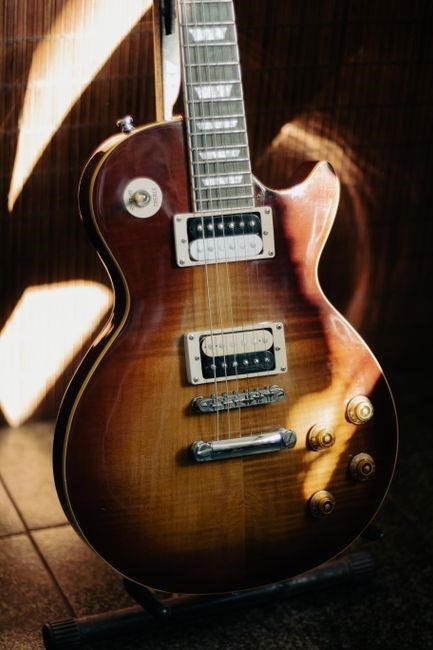
New guitars carry higher upfront costs but drop ~50% in the first year․ Used models hold 70–80% after five years if well maintained․ Buyers weigh features, warranty, and resale value when comparing options․
Collectorsprize vintage tone;guitars warranty
New Guitar Market Trends
In recent years, the new guitar market has shifted toward hybrid models that blend classic aesthetics with modern electronics․ Manufacturers now emphasize modular pickup systems, allowing players to swap between single-coil, humbucker, and active circuits without soldering․ This flexibility drives higher price points for entry‑level instruments, as consumers seek future‑proof gear․ Additionally, sustainability has become a key selling point: many brands now use FSC‑certified woods, recycled metals, and low‑VOC finishes, appealing to eco‑conscious buyers willing to pay a premium for green credentials․ The rise of direct‑to‑consumer online storefronts has also altered pricing dynamics․ By cutting out traditional retail margins, companies can offer flagship models at a 10–15% discount compared to brick‑and‑mortar prices, while still maintaining profit margins through bundled accessories and extended warranties․ Finally, the resurgence of boutique craftsmanship has pushed limited‑run series into the mainstream․ Limited editions often feature hand‑carved fretboards, custom inlays, and unique finish options, and they command a 20–30% markup over standard releases․ These trends collectively indicate that buyers who prioritize versatility, sustainability, and artisanal detail are willing to invest more in new guitars, while those focused on raw performance may still find value in traditional, mass‑produced models․ The market evolves, reflecting consumer preferences and tech trends now!!․
Used Guitar Depreciation

Depreciation rates for pre‑owned instruments vary widely, but a general rule of thumb is that a well‑maintained instrument loses roughly 10–15% of its original retail value each year for the first five years, after which the decline slows to 5–8% annually․ This pattern holds across most brands, though high‑end models from premium manufacturers often retain a larger fraction of their value due to scarcity and brand prestige․ Conversely, budget‑line guitars may drop 20–25% in the first year if they suffer cosmetic damage or hardware failure․ The condition of the instrument—clean finish, intact hardware, and functional electronics—plays a pivotal role; a guitar with a minor scratch can still fetch 85% of its original price if the body and neck remain pristine․ Age is another factor; vintage instruments that have aged gracefully can appreciate, especially if they belong to a sought‑after era or model․ Market demand shifts with trends; for example, the resurgence of vintage‑style pickups has increased the value of older models featuring those circuits․ Additionally, the presence of original packaging, manuals, and accessories can add 5–10% to the resale price․ Buyers should also consider the platform: online marketplaces often charge higher fees, while local classifieds can reduce transaction costs but may expose sellers to less buyer protection․ Prospective buyers should examine the guitar’s provenance, as documented ownership history can boost resale value 10%!!
Brand and Model Comparisons
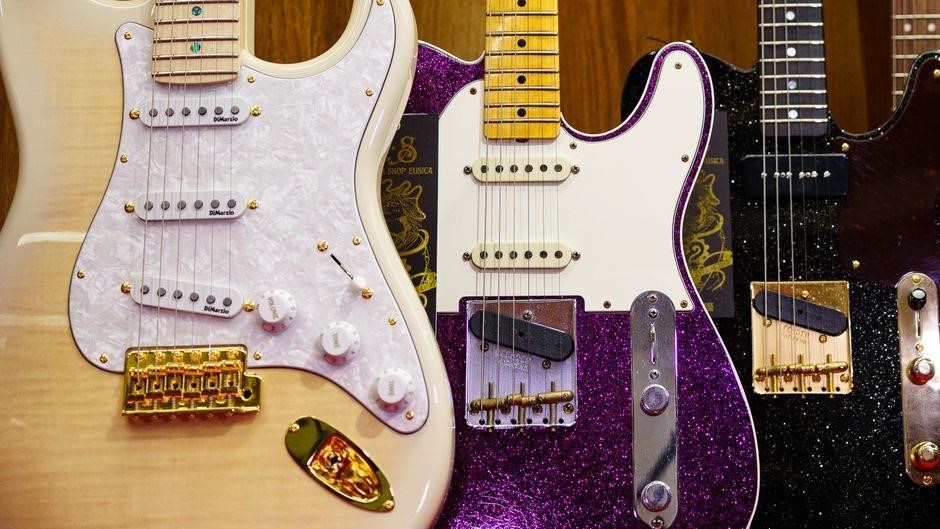
Comparing brands reveals price tiers: high‑end models command premium due to superior woods, craftsmanship, and exclusive pickups, while mid‑range offers balanced quality at a fraction of cost․ Model lineage affects resale; iconic series retain value, whereas niche variants may depreciate faster․ 2024
High‑End Brands
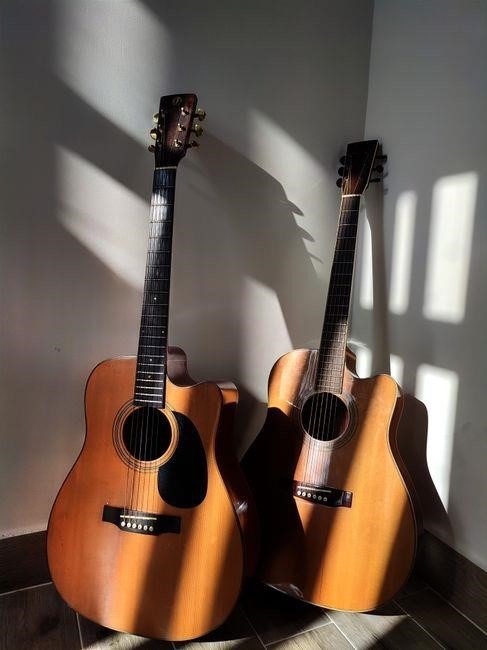
Premium guitar makers such as Gibson, Fender’s American Professional series, Martin, Taylor, and PRS set the benchmark for quality and price․ Their instruments feature hand‑selected tonewoods—spruce, mahogany, and maple—paired with meticulous construction techniques like hand‑carved bracing, precision fretwork, and custom inlays․ Advanced electronics, including high‑output humbuckers or boutique single‑coil pickups, further elevate tonal versatility․ Limited‑run models and signature series often carry premium pricing due to scarcity, unique finishes, and endorsements by renowned musicians․ The meticulous attention to detail extends to hardware: locking tuners, custom bridge designs, and premium strap buttons that enhance playability and durability․ These attributes not only justify higher upfront costs but also preserve or even increase resale value over time․ Collectors and professionals seek these instruments for their consistent performance, tonal depth, and the prestige associated with owning a brand known for craftsmanship․ Consequently, high‑end guitars retain a strong market presence, with resale prices frequently remaining above 70% of the original retail value after several years, especially when maintained in excellent condition․
When evaluating a high‑end instrument, inspect neck profile, fret condition, and body symmetry․ A smooth neck glide and minimal warping indicate superior craftsmanship․ A serial number confirms authenticity resale, protects value!!
Mid‑Range and Budget Brands
Mid‑range and budget guitars offer solid performance without the premium price tag․ Brands like Yamaha, Fender’s Squier, Epiphone, and Ibanez deliver reliable tonewoods—often laminated spruce or mahogany—paired with factory‑assembled bracing that balances durability and sound․ These instruments typically feature standard pickups (single‑coil or humbucker) and basic hardware, yet many models include subtle upgrades such as locking tuners or reinforced bridges that extend longevity․
Construction quality varies: laminate bodies reduce cost but can compromise resonance compared to solid‑wood counterparts․ However, many mid‑range models use high‑grade laminated panels that still produce warm, articulate tones suitable for studio and live settings․ Finish options range from satin to gloss, with occasional limited‑edition colors that add visual appeal․
Resale value for mid‑range guitars is generally modest; a well‑maintained instrument might fetch 30–50% of its original price after five years․ Budget models, while more affordable, depreciate faster—often falling below 20% of retail value within a few years․ Nonetheless, these guitars remain popular among beginners and hobbyists who prioritize affordability over long‑term investment․
When buying, inspect fret condition, neck stability, and string action․ A slight fret wear or a loose truss rod can affect playability but is often fixable․ For selling, highlight any unique features—pickups, finishes, upgrades—to maximize appeal․
Tips for Buying and Selling
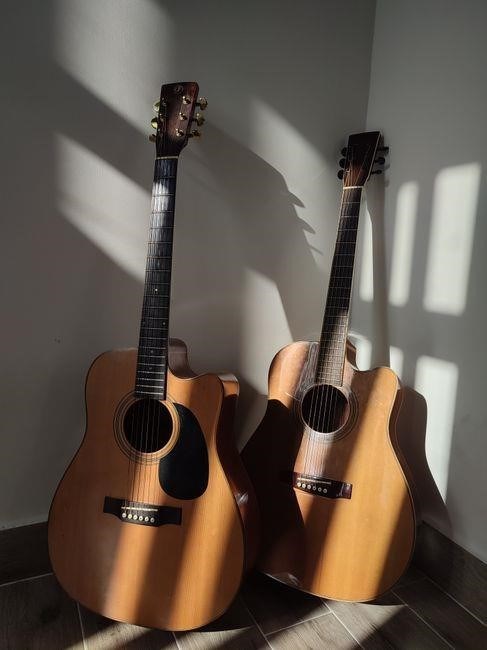
Research models, compare prices, test playability, and inspect condition․ Use reputable dealers, verify serial numbers, and negotiate based on market data․ For selling, clean the instrument, provide detailed photos, and price competitively․
Check hidden damage, confirm warranty status now
Where to Buy

Choosing the right place to purchase a guitar can significantly influence both price and quality․ Below are the most reliable avenues, each with distinct advantages and potential pitfalls․
Authorized Retailers – These stores carry brand‑specific inventories and often provide warranty support․ They are ideal for new models, but prices can be higher due to added service fees․
Specialty Music Shops – Local shops offer personalized demos, expert advice, and the chance to feel the instrument before buying․ Many also accept trade‑ins, allowing you to upgrade for a lower net cost․
Online Marketplaces – Platforms such as eBay, Reverb, and Amazon give access to a vast selection, including rare vintage pieces․ However, buyers must scrutinize seller ratings, return policies, and shipping insurance to mitigate risk․
Second‑hand Stores & Pawn Shops – Ideal for budget‑conscious buyers, these outlets provide a quick transaction․ Inspecting the guitar for wear, checking the serial number, and testing playability are essential steps before finalizing the deal․
Trade Shows & Music Expos – Events such as NAMM or local festivals showcase new releases and offer exclusive discounts․ Networking with industry professionals can also uncover hidden deals․
When selecting a buying venue, consider factors such as warranty coverage, return policies, shipping logistics, and the ability to test the instrument․ A well‑informed decision ensures you acquire a guitar that meets both your performance needs and your budget․ Always verify authenticity and test before purchase warranty․
How to Avoid Overpaying
To secure the best price, start by researching comparable listings across multiple platforms․ Compare serial numbers, condition reports, and seller ratings․ Use price‑tracking tools to monitor fluctuations over time․ Negotiate by pointing out any flaws or market dips, and be ready to walk away if the seller resists․ For new models, check manufacturer rebates or seasonal promotions; for used instruments, factor in depreciation curves․ Always request a detailed condition sheet and, if possible, a video demonstration․ Verify the authenticity of any vintage piece by consulting reputable databases or a trusted luthier․ When buying online, ensure the seller offers a return window and insurance for shipping․ Finally, keep a budget buffer for unexpected repairs or upgrades, and remember that the lowest bid may not always be the best value․
When negotiating, always start with a lower offer than your target price, giving room for compromise․ Ask for a full service history, especially for used guitars; this can reveal hidden issues such as fret wear or old repairs․ If the seller is unwilling to provide documentation, consider a third‑party inspection․ For online purchases, verify the shipping insurance covers the instrument’s full value and that the return policy is clear․ Keep a record of all communications and receipts․ Finally, trust your instincts: if something feels off, it’s better to walk away than to overpay for a piece that may not meet your expectations or playability standards․
Fair pricing balances value and playability!!