hair dye color guide
Hair Dye Color Guide: A Comprehensive Overview (Updated 03/05/2026)
Navigating hair color requires understanding depth, tone, and compatibility with your skin’s undertones for a flattering and harmonious result․
Understanding the Hair Dye Numbering System
Decoding hair dye boxes begins with grasping the numbering system, a crucial element for achieving your desired shade․ Ranging from 1 to 10, the first number signifies the depth level or base color – essentially, how light or dark the hair will be․ A ‘1’ represents black, while ’10’ denotes the lightest blonde․
These numbers aren’t arbitrary; they provide a standardized way to understand color intensity․ Beyond the primary number, you’ll often see a second digit indicating the tone – warm, cool, or neutral․ Understanding this system empowers you to select a dye that accurately reflects your vision and avoids unwanted results․ It’s the foundation for precise color customization․
Level System: Depth of Color (1-10)
The hair color level system, ranging from 1 to 10, defines the lightness or darkness of a shade․ Level 1 is the darkest – black – while Level 10 is the lightest blonde․ Understanding this scale is vital for predicting color outcomes․ Levels 1-4 represent dark shades (black, dark brown, medium brown), while 5-7 cover medium shades (medium brown, light brown, dark blonde)․
Levels 8-10 denote lighter shades (light blonde, very light blonde, platinum blonde)․ When lightening hair, you move up the levels; darkening involves moving down․ Knowing your current level and your target level helps determine the necessary lifting power of the dye and potential processing time․
Neutral Tones: The Base Colors
Neutral tones form the foundation of hair color, representing the natural pigments before any warmth or coolness is added․ These tones – neither distinctly warm nor cool – are crucial for achieving balanced and predictable results․ They serve as the canvas upon which other tones are layered to create the desired shade․
Think of them as the ‘true’ color of your hair, free from red, gold, or ash undertones․ Identifying your natural neutral tone is the first step in successful hair coloring․ These base colors are essential for color correction and achieving a natural-looking finish, especially when transitioning between drastically different shades․
Identifying Your Skin Tone & Undertone
Determining your skin’s tone and undertone is vital; warm skin pairs with warm hair colors, while cool skin complements cooler shades․
Warm Skin Tones: Characteristics & Colors
Individuals with warm skin tones typically exhibit golden, yellow, or peach undertones․ These undertones often become more apparent when exposed to sunlight․ Veins on the wrist may appear greenish, and gold jewelry tends to be more flattering than silver․ When choosing hair colors, warm skin tones harmonize beautifully with shades possessing similar warmth․
Excellent choices include golden blonde, caramel brown, copper red, and rich chocolate browns with reddish hints․ Mahogany, with its reddish-brown and purple undertones, can also be stunning․ Avoid overly cool or ashy tones, as they can wash out the complexion and create an undesirable contrast․ Think warmth and richness – colors that echo the natural glow of warm skin․
Cool Skin Tones: Characteristics & Colors
Cool skin tones are characterized by pink, red, or bluish undertones․ Unlike warm tones, cool skin often appears more porcelain-like․ Veins on the wrist typically appear blue or purple, and silver jewelry generally complements the complexion better than gold․ When selecting a hair color, those with cool skin tones should gravitate towards shades that mirror their cool undertones․
Ash blonde, platinum blonde, and cool-toned browns like chocolate brown (without red hues) are excellent choices․ Claret, a dark red with violet undertones, can also be striking․ Avoid overly warm or golden tones, as these can clash with the skin’s cool undertones, making the complexion appear dull․ Embrace coolness and sophistication in your hair color selection․
Neutral Skin Tones: Characteristics & Colors
Neutral skin tones possess a balance of warm and cool undertones, making them incredibly versatile when choosing a hair color․ Identifying a neutral tone can be tricky; veins may appear both blue and green, and both gold and silver jewelry can be worn effectively․ These individuals often have a complexion that isn’t distinctly pink or golden․
Because of this balance, neutral skin tones can experiment with a wider range of colors․ Both warm and cool shades can work well! Consider wheat blonde for a natural look, or mahogany for a reddish-brown option․ Chocolate brown and caramel brown are also flattering choices․ Essentially, neutral tones can pull off most shades, offering significant flexibility․
Popular Hair Color Families
Explore diverse hair color families – blonde, brown, red, and black – each offering a spectrum of shades to complement various skin tones and styles․
Blonde Hair Colors
Blonde shades offer a wide range of options, from subtle sun-kissed hues to strikingly light tones․ Ash blonde is a cool-toned choice, incorporating hints of blue, gray, or green for a sophisticated, modern look․ Wheat blonde presents a balanced and natural appearance, avoiding excessive warmth or coolness, making it universally flattering․
For those seeking the lightest possible shade, platinum blonde delivers an icy, dramatic effect․ It requires significant lightening and maintenance, but the result is undeniably eye-catching․ When selecting a blonde, consider your skin’s undertone; cooler blondes suit cool skin, while warmer blondes complement warmer complexions․ Highlights can add dimension and enhance any blonde shade․
Ash Blonde: Cool-Toned Lightness
Ash blonde is a sophisticated and modern choice, characterized by its cool undertones of blue, gray, and sometimes even green․ This shade beautifully neutralizes warm tones in the skin, creating a harmonious and balanced appearance․ It’s particularly flattering for individuals with cool or neutral skin undertones, enhancing their natural complexion․
Achieving an ash blonde requires careful lightening, often starting with a pre-lightening process to remove existing warm pigments․ Maintenance is key, as ash blonde tends to fade warmer over time, necessitating regular toning treatments to preserve the cool hue․ Consider babylights or highlights to add dimension and prevent a flat, one-dimensional look․
Wheat Blonde: Balanced & Natural
Wheat blonde offers a beautifully balanced and incredibly natural-looking blonde shade, avoiding extremes of warmth or coolness․ This versatile tone mimics the sun-kissed hues of wheat fields, providing a soft and flattering effect for a wide range of skin tones․ It’s a fantastic option for those seeking a subtle transition into blonde or wanting to enhance their existing blonde hair with a touch of warmth․
Wheat blonde is generally easier to achieve and maintain than cooler blonde shades, requiring less frequent toning․ It’s a great starting point for those new to blonde hair, as it’s less damaging and more forgiving․ Layered cuts and soft waves complement this shade perfectly, enhancing its natural and effortless appeal․

Platinum Blonde: The Lightest Shade
Platinum blonde represents the ultimate in lightness, a strikingly pale and almost white-blonde shade that demands attention․ Achieving this iconic color requires significant lightening, often involving multiple sessions and careful maintenance to prevent breakage and brassiness․ It’s a bold choice best suited for those with cool or neutral undertones, as it can wash out warmer complexions․
Regular toning is crucial to maintain the pristine, icy tone of platinum blonde, counteracting any yellow or warm undertones that emerge․ This shade looks particularly stunning on those with fair skin and blue or grey eyes, creating a high-contrast and captivating look․ Be prepared for a commitment to intensive hair care!
Brown Hair Colors

Brown hair offers incredible versatility, ranging from light, sun-kissed shades to deep, rich hues․ It’s a universally flattering family, with options to complement various skin tones and undertones․ Within the brown spectrum, you’ll find captivating variations like mahogany, chocolate brown, and caramel brown, each possessing unique characteristics․
Mahogany delivers a reddish-brown base with subtle purple undertones, adding depth and dimension․ Chocolate brown provides a classic, rich, and timeless look, while caramel brown offers warmth and inviting radiance․ Choosing the right brown shade depends on your desired level of contrast and personal style․ Browns are generally easier to maintain than lighter shades․
Mahogany: Reddish-Brown with Purple Undertones
Mahogany is a sophisticated brown shade characterized by its captivating blend of red and purple undertones․ This creates a multi-dimensional color that appears richer and more vibrant than a standard brown․ It’s a particularly flattering choice for those with warm or neutral skin tones, enhancing their natural complexion․
The purple undertones add a touch of mystery and depth, preventing the red from appearing too brassy․ Mahogany looks especially stunning with highlights, which accentuate its complexity․ It’s considered a darker shade within the brown family, offering excellent coverage and a noticeable color change․ Maintenance involves color-safe products to preserve the vibrancy․
Chocolate Brown: Rich & Classic
Chocolate brown is a timeless and universally flattering hair color, renowned for its depth and warmth․ This classic shade evokes images of luxurious indulgence, offering a rich, natural-looking hue that complements a wide range of skin tones․ It’s a particularly excellent choice for those seeking a substantial color change without venturing into dramatically different territories․
The beauty of chocolate brown lies in its versatility; it can be customized with subtle highlights or lowlights to add dimension․ It provides excellent coverage for gray hairs and requires relatively low maintenance compared to lighter or more vibrant shades․ To maintain its luster, regular conditioning treatments are recommended, ensuring hair remains healthy and vibrant․
Caramel Brown: Warm & Inviting
Caramel brown is a delightful hair color, radiating warmth and a natural, sun-kissed glow․ This inviting shade blends beautifully with various skin tones, offering a soft and flattering look․ It’s a fantastic option for those wanting to add dimension and brightness to their hair without a drastic color transformation․ The shade often features golden undertones, enhancing its overall warmth․
Caramel brown is exceptionally versatile, lending itself well to highlights and balayage techniques․ These additions create a multi-dimensional effect, mimicking the natural variations found in sun-lightened hair․ Regular use of color-safe shampoos and conditioners will help preserve the vibrancy and prevent fading, keeping your caramel brown looking fresh and inviting․
Red Hair Colors
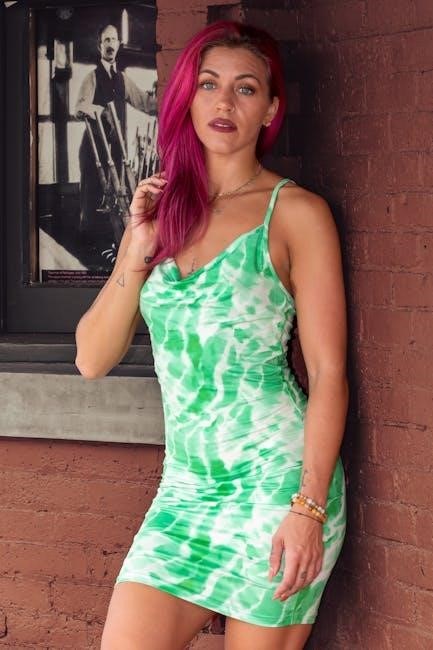
Red hair colors offer a spectrum of vibrancy, from subtle hints to bold statements․ Choosing the right red depends on your skin tone and desired intensity․ Claret, a darker shade, boasts violet undertones, creating a sophisticated and rich look, especially stunning with highlights․ Copper red delivers a vibrant, warm hue, perfect for those seeking a fiery appearance․
For a more understated approach, strawberry blonde provides a delicate reddish tint, ideal for those hesitant about fully committing to red․ Red shades often require more maintenance due to their tendency to fade․ Utilizing color-depositing conditioners and avoiding harsh sulfates will help maintain the vibrancy and longevity of your chosen red hue․
Claret: Dark Red with Violet Undertones
Claret is a sophisticated and deeply alluring red shade, characterized by its rich, dark base and captivating violet undertones․ This isn’t a bright, fiery red; instead, it offers a more subdued, mysterious quality, reminiscent of a fine claret wine․ It’s particularly flattering on individuals with cooler skin tones, enhancing their natural complexion․
The violet undertones add depth and dimension, preventing the color from appearing flat․ Claret looks exceptionally beautiful when paired with highlights, which can accentuate the violet hues and create a multi-tonal effect․ Maintaining claret requires regular touch-ups and color-safe products to preserve its vibrancy and prevent fading, ensuring a long-lasting, head-turning look․
Copper Red: Vibrant & Warm
Copper red is a truly radiant and energetic hair color, embodying warmth and vibrancy․ This shade isn’t simply red; it’s infused with golden, copper undertones that create a luminous and eye-catching effect․ It’s exceptionally flattering for those with warm skin tones, enhancing their natural glow and bringing out their features․ The warmth in the color complements warm undertones beautifully, creating a harmonious look․
Copper red is known for its ability to add dimension and shine to the hair․ Regular use of color-depositing conditioners is crucial to maintain the vibrancy and prevent the color from fading․ This shade is perfect for those seeking a bold, yet natural-looking, red that radiates confidence and warmth․
Strawberry Blonde: Subtle Reddish Hue
Strawberry blonde offers a delicate and charming introduction to red hair, perfect for those hesitant about bolder shades․ It’s characterized by a light blonde base infused with a soft, rosy-red tint, creating a naturally sun-kissed appearance․ This hue is incredibly versatile, flattering a wide range of skin tones, particularly those with neutral or warm undertones․ It provides a subtle warmth without being overpowering․
Strawberry blonde is a fantastic option if you’re interested in experimenting with red but prefer a more understated look․ It’s especially pretty when paired with highlights, adding depth and dimension․ Maintaining this shade requires gentle care and color-safe products to preserve the delicate balance of blonde and red tones․
Black Hair Colors
Black hair colors offer a spectrum of intensity, ranging from dramatically bold to subtly natural․ Jet black delivers an intense, high-shine finish, creating a striking and sophisticated look․ This shade is ideal for those seeking a bold transformation and works beautifully with cooler skin tones․ However, it requires commitment due to its high visibility and potential for fading․
Conversely, soft black provides a more natural and subtle alternative, mimicking the appearance of naturally dark hair․ It’s less harsh than jet black and complements a broader range of skin tones․ Both shades offer excellent coverage and can enhance hair’s overall health and appearance when properly maintained with color-safe products․
Jet Black: Intense & Dramatic
Jet black is the quintessential dark hair color, renowned for its striking intensity and high-shine finish․ This shade delivers a bold, dramatic look, creating a strong visual impact․ It’s a fantastic choice for those wanting a complete hair transformation and a statement style․ However, jet black requires significant commitment, as fading can reveal unwanted brassy tones, necessitating frequent touch-ups․
This color particularly flatters individuals with cooler skin undertones, enhancing their complexion․ Proper maintenance with sulfate-free shampoos and color-depositing conditioners is crucial to preserve the vibrancy and longevity of jet black hair․ Consider a strand test before full application to ensure desired results․
Soft Black: More Natural & Subtle
Soft black offers a less intense alternative to jet black, providing depth and richness while maintaining a more natural appearance․ It’s ideal for those seeking a darker shade without the stark contrast of a true black․ This nuanced color adds dimension and shine, enhancing the hair’s overall health and vibrancy․ Soft black is generally easier to maintain than jet black, with less noticeable root regrowth․
It complements a wider range of skin tones, including warmer complexions, offering a sophisticated and versatile look․ Regular conditioning treatments are recommended to keep the hair hydrated and prevent dryness․ This shade is a great starting point for those transitioning to darker hair colors․
Color Theory & Hair Dye
Understanding warm versus cool tones, and how to neutralize them, is crucial for achieving balanced hair color that complements your skin’s undertones․
Warm Tones vs․ Cool Tones
Distinguishing between warm and cool tones is fundamental to successful hair coloring․ Warm tones, like gold, copper, and red, evoke sunshine and heat, adding vibrancy․ Conversely, cool tones – ash, violet, and blue – project a sense of calmness and sophistication․
Warm-toned hair colors generally contain underlying red, orange, or yellow pigments․ These shades beautifully complement warm skin undertones․ Cool-toned colors, however, possess blue, green, or violet undertones, harmonizing with cooler complexions․
The interplay of these tones is vital; warm tones can neutralize unwanted cool tones (like brassiness), while cool tones can temper excessive warmth․ Recognizing this dynamic allows for customized color correction and the creation of balanced, flattering hair color․
Neutralizing Tones: Balancing Color
Achieving balanced hair color often requires neutralizing unwanted undertones․ This principle hinges on color theory: opposites on the color wheel cancel each other out․ If your hair exhibits brassiness (orange/yellow), utilize a violet-based toner or shampoo to neutralize it․ Conversely, if your blonde appears too ashy or dull, a gold-toned product can introduce warmth․
Understanding this concept is crucial, especially when lightening hair․ Lifting color can reveal underlying warm pigments․ Employing a blue-based shampoo combats orange tones, while purple neutralizes yellow․
Neutralizing isn’t about eliminating warmth or coolness entirely, but about achieving a harmonious balance for a natural-looking, vibrant result․ Careful observation and targeted product selection are key․
Undertones & Hair Color Compatibility
Selecting a hair color that complements your skin’s undertone is paramount for a flattering look․ Warm undertones (yellow, golden, peach) harmonize beautifully with warm hair colors – golds, caramels, reds, and warm browns․ These shades enhance your natural radiance․
Cool undertones (pink, red, blue) are best suited to cool hair colors like ash blondes, cool browns, and vibrant reds with violet bases․ These tones prevent your complexion from appearing washed out․
Neutral undertones offer versatility, allowing you to experiment with a wider range of shades․ However, maintaining balance is key – avoid extremes that clash with your natural coloring․ As a general rule, match warm with warm and cool with cool for the most natural-looking results․
Choosing the Right Color for Your Natural Hair
Successful color changes consider your starting shade; lighter hair easily adopts lighter tones, while darker hair requires careful planning for transitions․
Light Hair to Lighter Hair
Transitioning from light to lighter hair generally offers the most straightforward coloring process․ Individuals with naturally blonde or light brown hair have a fantastic canvas for experimenting with shades like platinum blonde, ash blonde, or wheat blonde․ Because minimal lifting is required, damage risk is comparatively lower․ However, achieving very light shades, such as platinum, still necessitates careful processing to maintain hair health․
When lightening, consider incorporating toners to neutralize unwanted brassiness and achieve the desired cool-toned effect․ For example, an ash blonde requires a toner with violet or blue pigments․ Remember that even subtle shifts in tone can dramatically alter the final look․ Always prioritize hair conditioning treatments during and after lightening to replenish moisture and prevent breakage․ Gradual lightening is often preferable to drastic changes․
Dark Hair to Darker Hair
Deepening dark hair color is often a less damaging process than lightening, offering rich, dimensional results․ Individuals with naturally dark brown or black hair can explore shades like jet black, soft black, mahogany, or even claret for a subtle reddish hue․ Adding depth with darker tones enhances shine and can create a healthier appearance․ However, even with darker shades, understanding undertones is crucial․
For instance, mahogany’s purple undertones will appear more vibrant on cooler skin tones․ When choosing a darker shade, consider the impact on your overall complexion․ A very intense jet black can sometimes appear harsh against fair skin․ Regular conditioning treatments are still essential to maintain moisture and prevent dryness, even when not lifting color․
Transitioning Between Color Families
Switching between blonde, brown, red, or black hair requires careful planning and often a professional’s expertise․ Drastic changes, like going from dark brown to platinum blonde, necessitate multiple sessions to minimize damage․ This process typically involves bleaching, followed by toning to achieve the desired shade․ Conversely, darkening blonde hair to a rich brown is generally less damaging but still requires consideration of underlying pigments․
Warm tones neutralize cool tones, and vice versa, playing a vital role in achieving a balanced result․ A color correction might be needed to remove unwanted brassiness or redness during transitions․ Prioritize hair health with deep conditioning treatments throughout the process to maintain strength and shine․